Overview
Explore Bacolod City and find out why it’s called the City of Smiles. Discover the must-visit tourist spots and dishes you shouldn’t miss. Read on to find out everything you need to know when planning a trip to this destination.
1.jpg)
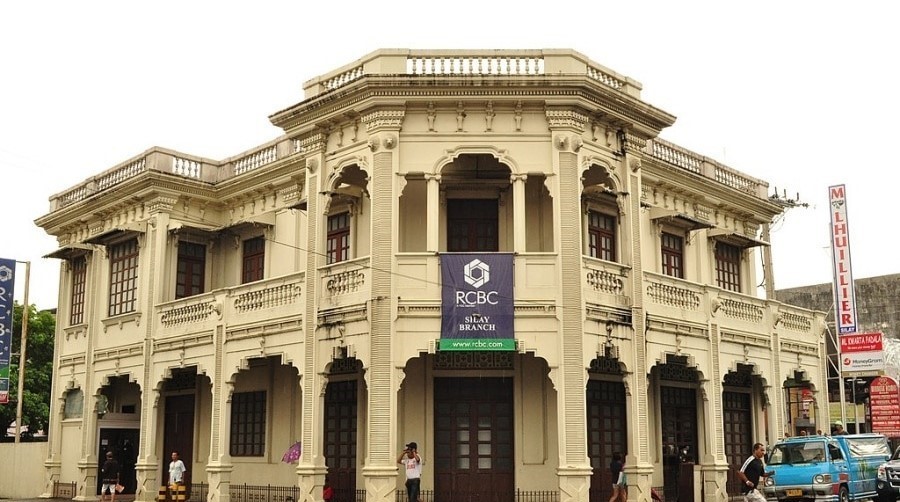
Attractions
- Historic Sites
Negros Museum
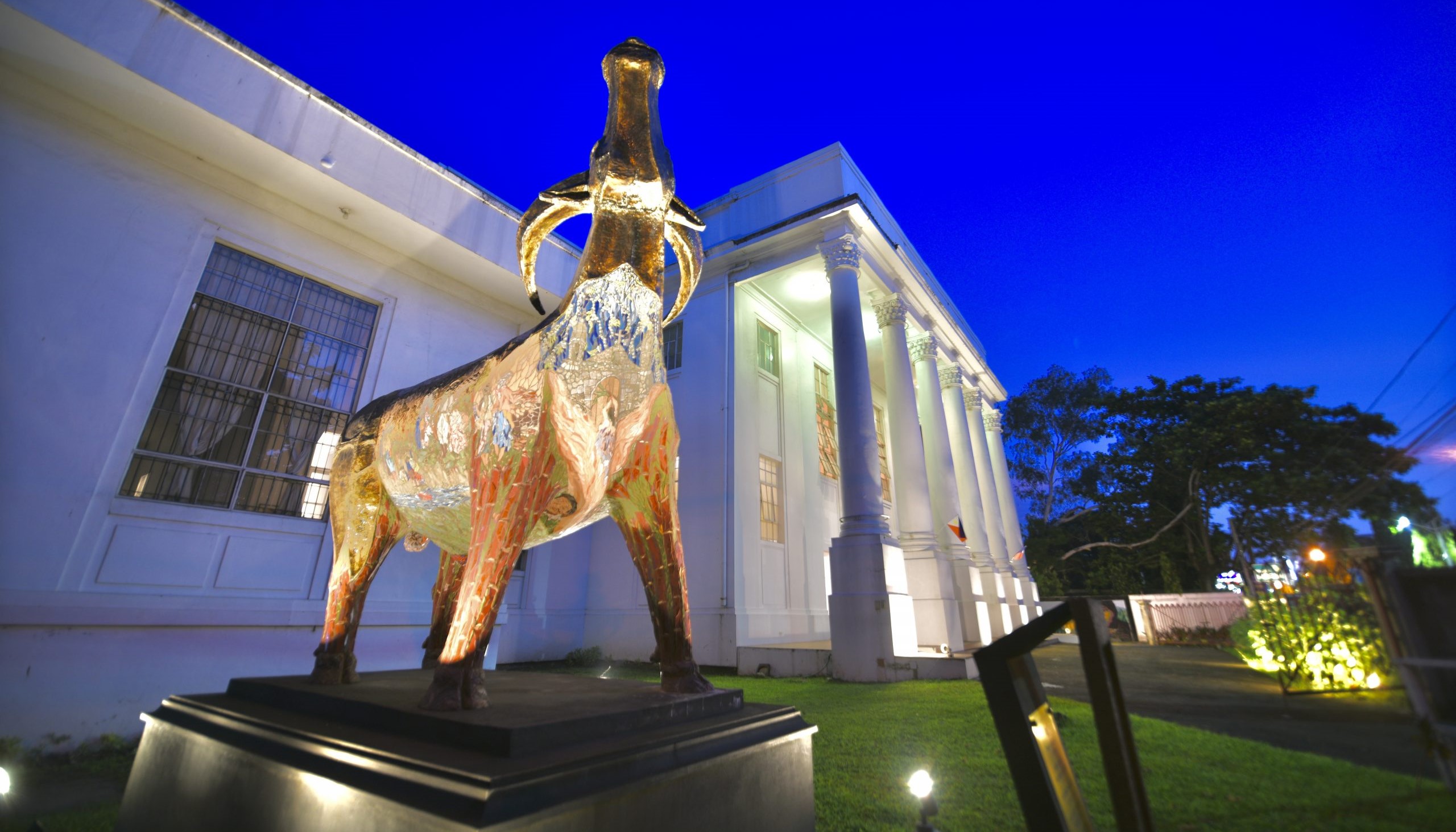
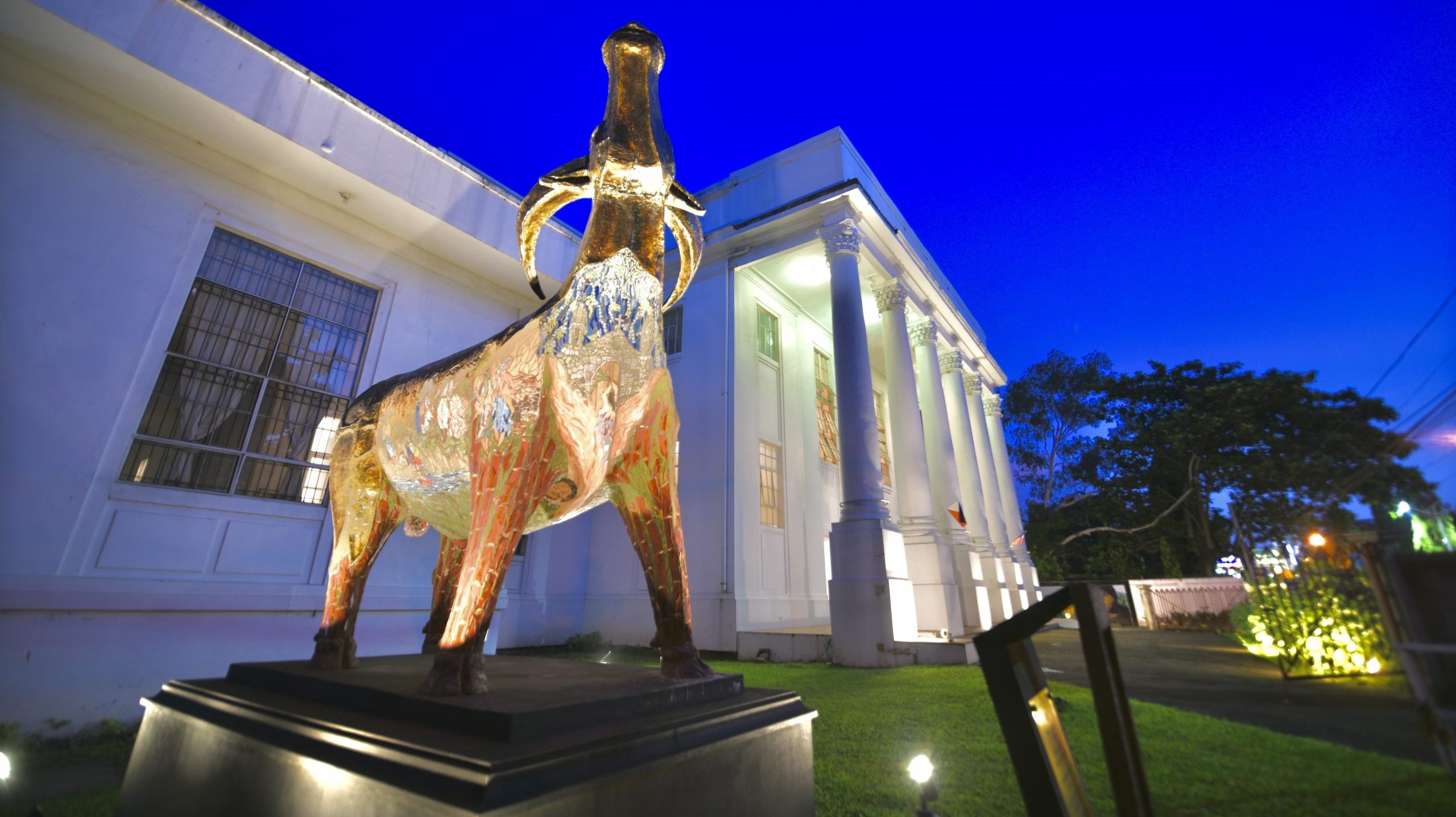
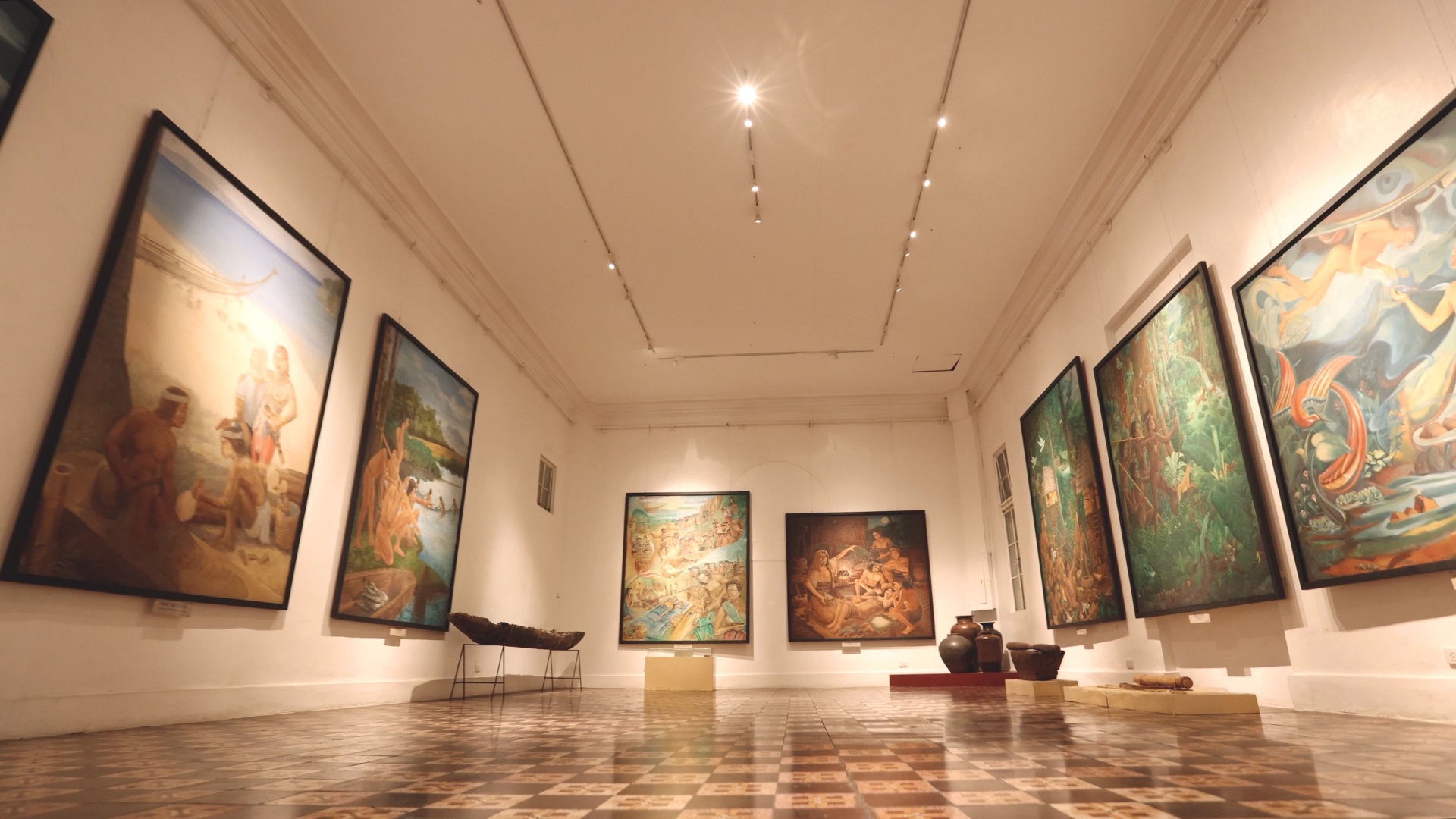
Negros is a great place to be in, particularly because of the immersive experience it offers to tourists. It’s a museum that focuses not on storing artifacts, but on telling the interesting story of the Negros region. This is primarily a children’s museum but it also has something in store for the adults who want to learn something about Negros’ surprising role in the formation of the Philippine Republic. Getting here is easy. Just ask to be taken to the Provincial Capitol Building where the museum is just a short walk from here.
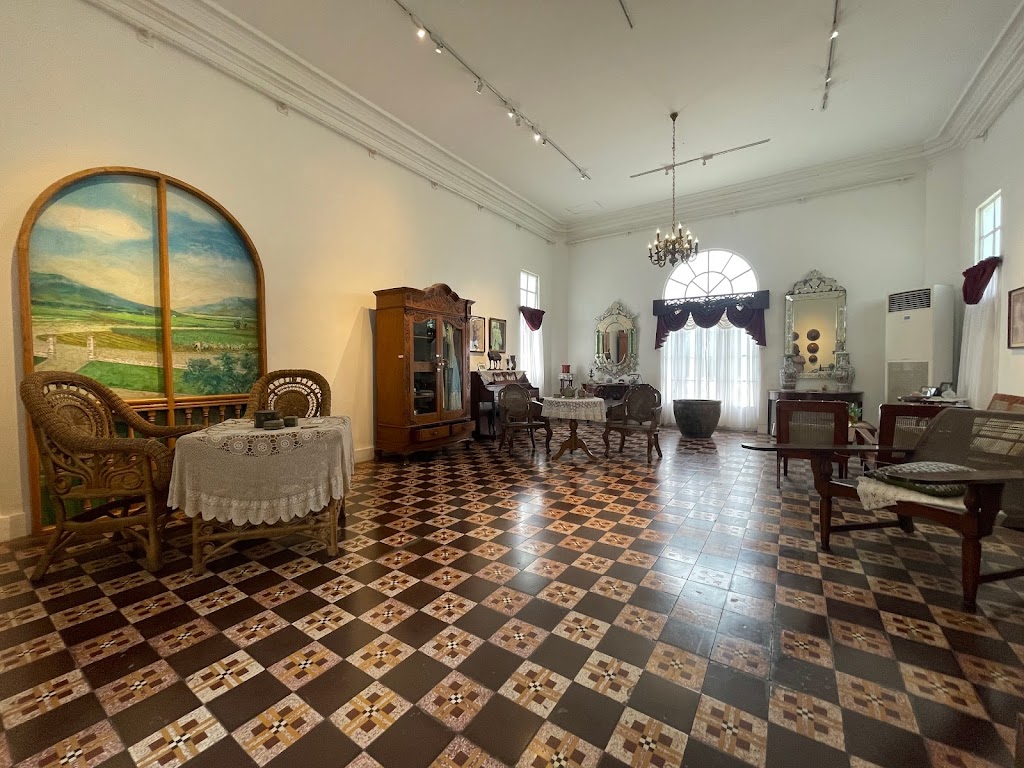
The Negros Museum is a privately owned provincial museum located in Bacolod, Philippines, situated within the Negros Occidental Provincial Capitol Complex, originally built in 1925 as the Provincial Agriculture Building. It was officially opened on March 16, 1996, and was relocated to the former Provincial Agriculture Building in 2003 after the Provincial Capitol was returned for government use. The museum primarily showcases Negrense lifestyle and society through exhibits featuring old furnishings and items from ancestral houses, rather than precious archaeological artifacts. It also hosts art exhibits and expositions by local and foreign artists residing in the Negros Island Region and conducts art training and seminars. The museum operates with a symbolic rent payment of ₱1 to the Provincial Government for legal compliance.
----------------------------------------------------------------------------------------------------------------------------------------------------
The Ruins
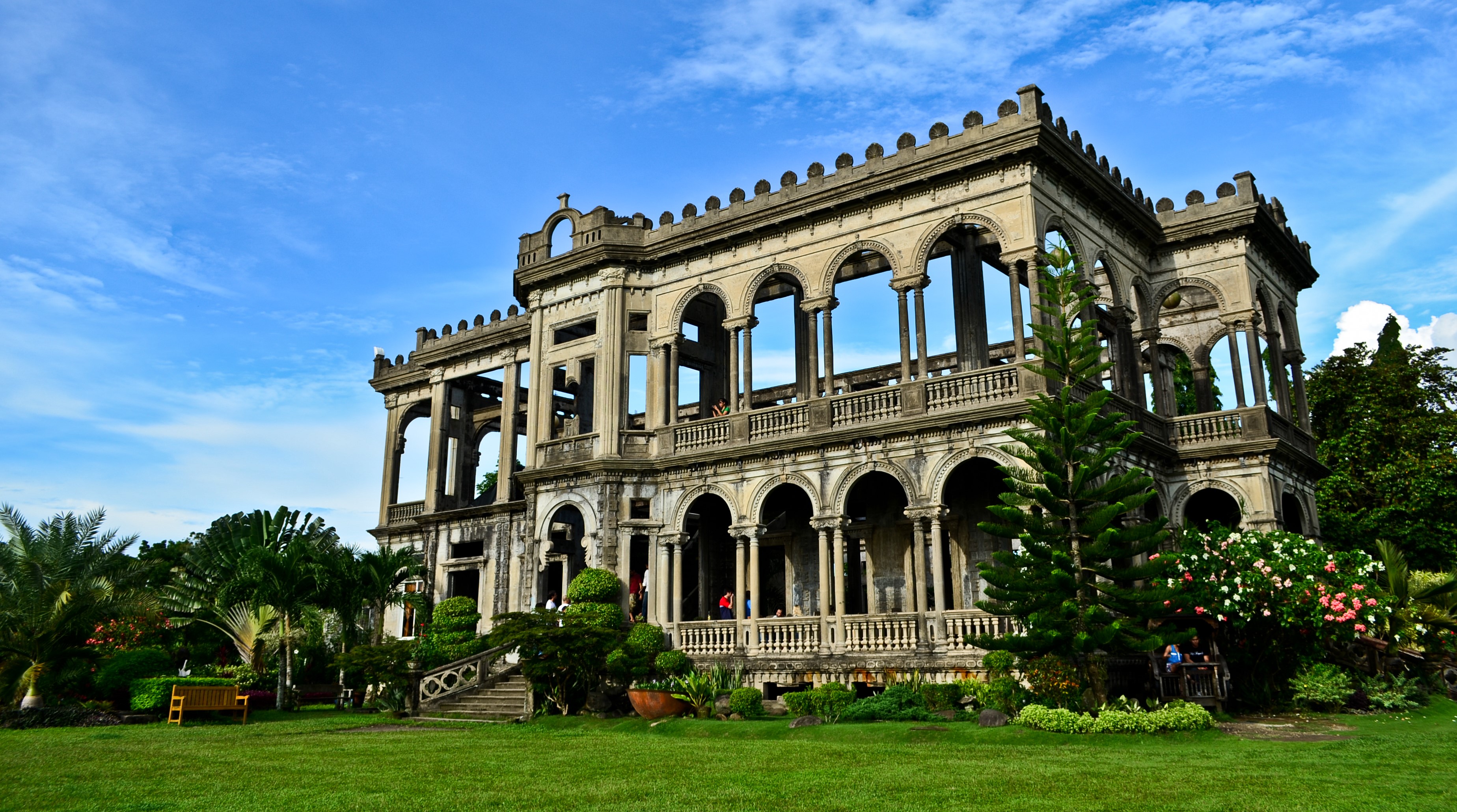
Bacolod is the Sugar Capital of the country, and it was how the people of old here gained wealth. A remnant of this time is The Ruins, a structure that was once the mansion of Don Mariano Ledesma Lacson, a sugar baron. This is one of the top tourist spots in Bacolod. It has a beautiful architecture still visible to this day, but it was burned down during World War II.The Ruins isn’t as accessible as other places in the city. You could ask around the city center for a jeep going to the Pepsi Bottling Plant, and from there you could take a tricycle to the site.
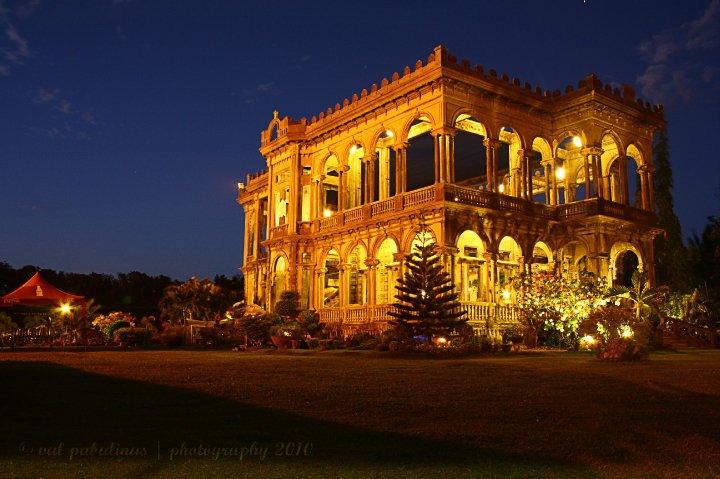
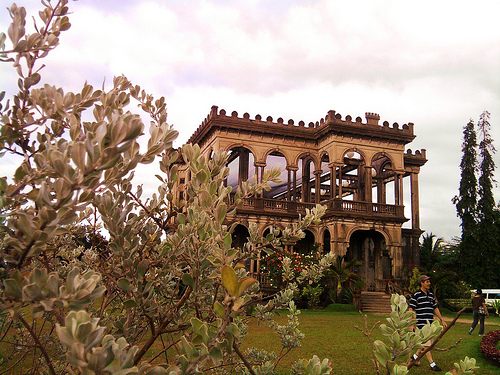
"The Ruins" is the remains of a grand ancestral mansion in Talisay, Negros Occidental, Philippines, originally constructed in the early 1900s with Italian architectural inspiration. It was built by wealthy sugar magnate Don Mariano Ledesma Lacson in memory of his Portuguese wife, Maria Braga Lacson. During World War II, Filipino guerillas deliberately burned it down to thwart its use by Japanese forces. Presently, it is owned by the descendants of Don Mariano Ledesma Lacson and is maintained in its ruined state. The site is open to the public, attracting tourists and event rentals, with an entrance fee ranging from PHP 80 to PHP 150, and additional charges for photoshoots.
----------------------------------------------------------------------------------------------------------------------------------------------------
Pray at San Sebastian Cathedral
1.jpg)
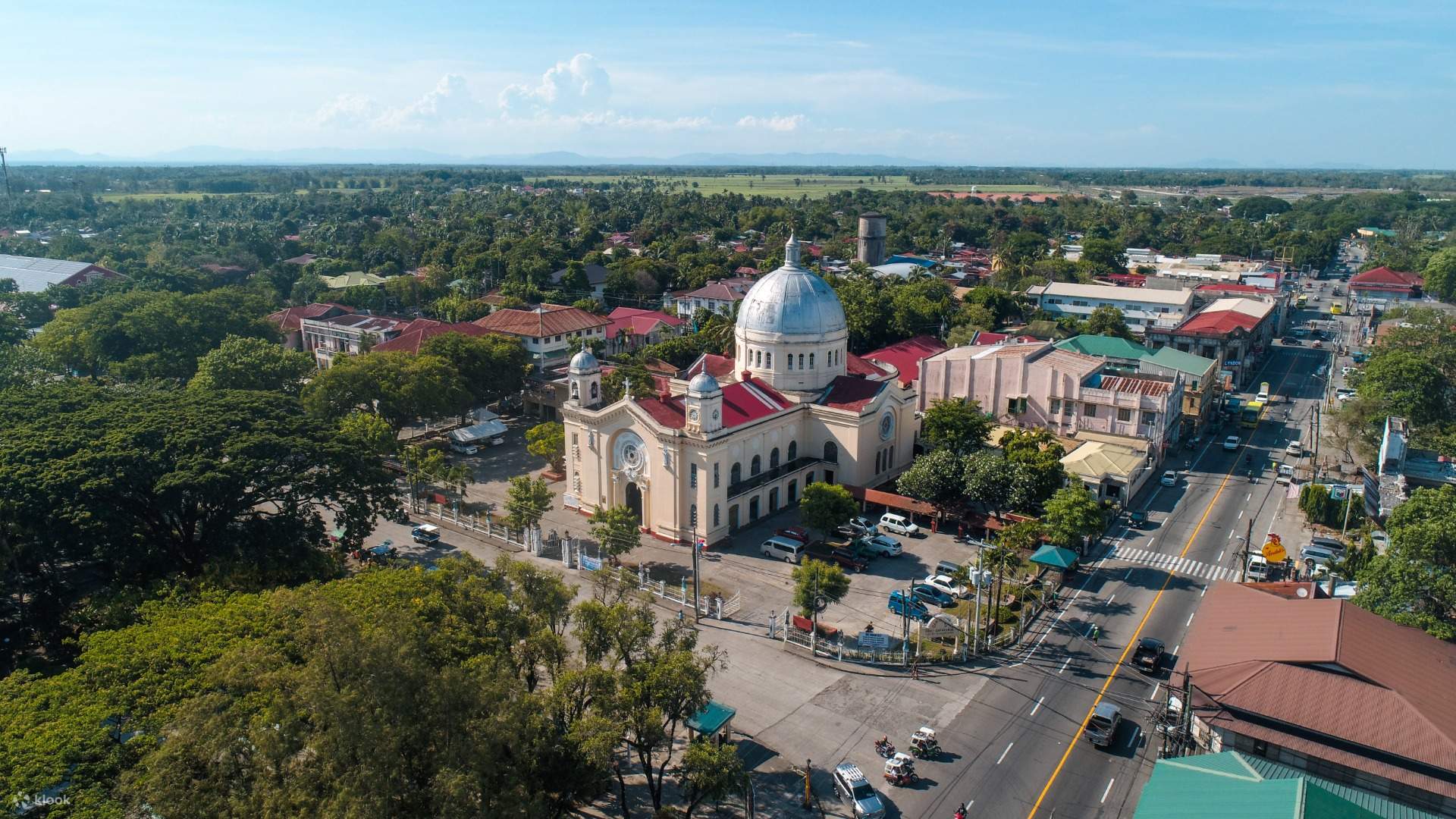
This is a structure that was opened to the public in 1882, and now holds the Bishop’s Palace within its grounds. It has an elegant architecture that harkens back to the Spanish times and is considered an important historical marker by none other than the Philippine Historical Committee. The church closes at around 8 PM, so arrive early to see one of the more recognizable tourist spots in Bacolod!Getting here is also easy. Just take a jeep bound for Manokan Country, and it passes right by the church.
1.jpg)
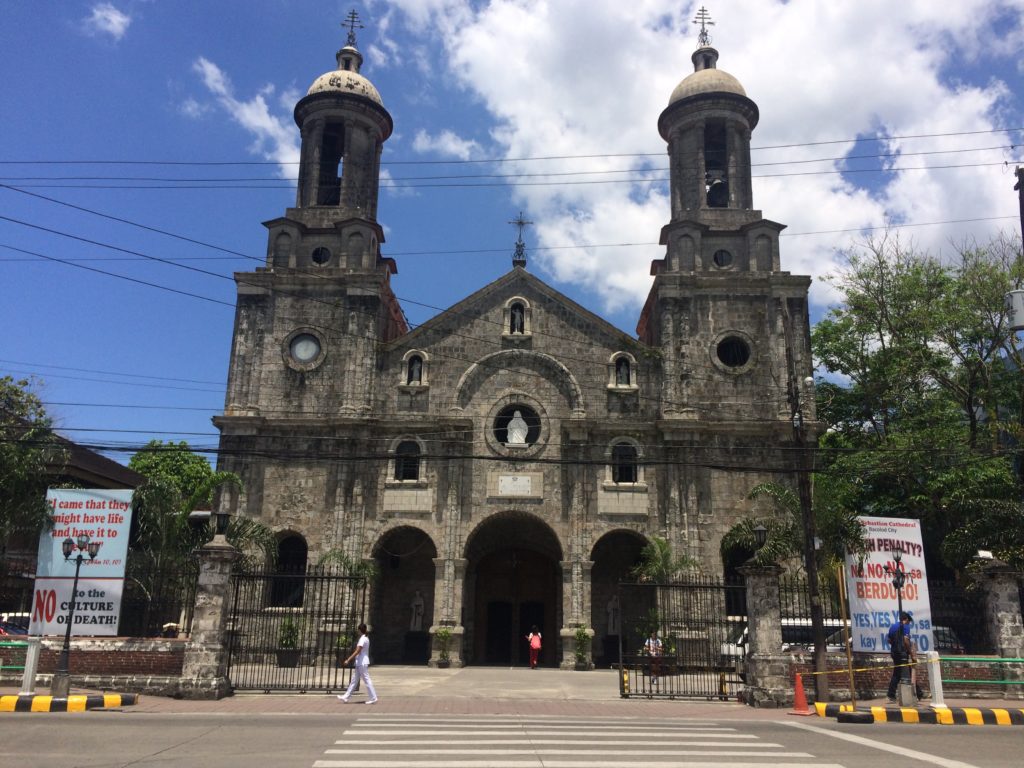
San Sebastian Cathedral in Bacolod has a rich history dating back to the 1700s when it was known as San Sebastian de Magsungay, a village under the protection of St. Sebastian. Due to pirate attacks, the village moved to a hilly area called bakólod, which eventually became the modern city of Bacolod. The original wooden church was constructed in 1825 by Fr. Julian Gonzaga, while the present stone church's construction began in 1876 with materials like coral stone from Guimaras. It was consecrated in 1882 and declared a cathedral in 1933. The church underwent various renovations and reconstructions, including the rebuilding of its bell towers and the enshrinement of important remains in its columbarium.
----------------------------------------------------------------------------------------------------------------------------------------------------
Mambukal Resort
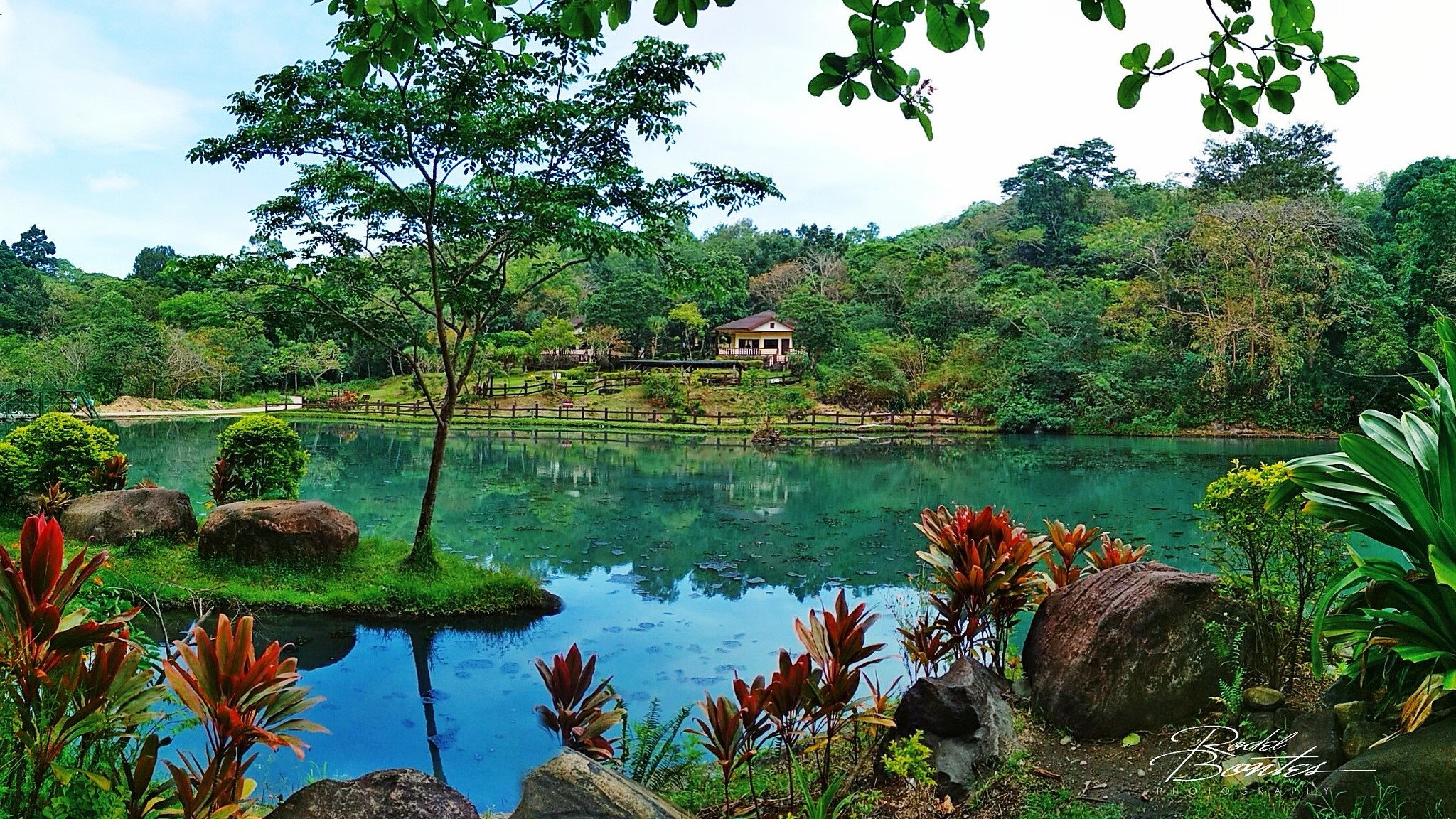
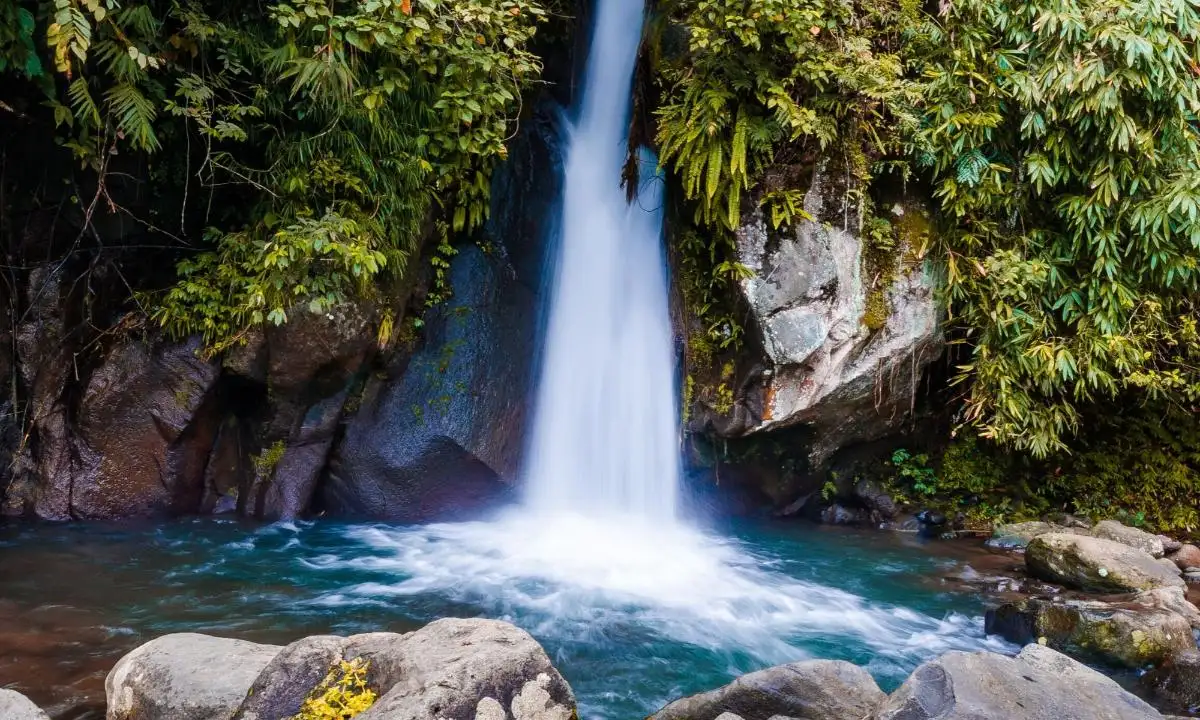
Mambukal Resort, officially the Township of Mambukal or simply known as Mambukal (alternatively spelled as "Mambucal"),[1] is a resort township located within the boundaries of the municipality of Murcia, Negros Occidental. As a township, it is directly governed by the Provincial Government of Negros Occidental, which also manages Mambukal Mountain Resort in the 6-hectare townsite near Brgy. Minoyan.[3][2][4] The resort is owned and managed by the Provincial Government of Negros Occidental under its Economic Enterprise Development Department.[1]History A hill station was established in the area in 1923, through a provincial administrative order, to serve as a weekend getaway for the officials of the Negros Occidental provincial government and its guests.[citation needed] The first permanent structure in the resort, the Ishiwata Bath House, was built in 1927, as part of developments made by the Japanese architect Kokichi Paul Ishiwata.[1] Republic Act No. 1964, signed by President Carlos P. Garcia on June 22, 1957,[5] formally tasked the provincial government of Negros Occidental with the administration and management of the townsite and resort facilities. This date is commemorated in the annual Mudpack Festival, named after the medicinal sulfuric mud available in the area.[1] Legal status Mambukal is administered as a resort township, independent of the Municipality of Murcia by the provincial government, as the putative Township of Mambukal.[6][7][8] However, this is disputed in some circles outside the province as townships, as a form of local government, were already abolished in 1919 through Philippine Legislature Act No. 2824.[9] Legally, townships supposedly no longer constitute a local government unit under current laws, which only recognize four types of local government: province, city, municipality, and barangay.[10][11]
.JPG)
Mambukal Resort is a township located in Murcia, Negros Occidental, Philippines, directly governed by the Provincial Government of Negros Occidental. Established in 1923 as a hill station for government officials and guests, the resort features facilities like the Ishiwata Bath House, designed by Japanese architect Kokichi Paul Ishiwata. Republic Act No. 1964, signed in 1957, officially designated the provincial government as the administrators of the townsite and resort. Mambukal is celebrated annually with the Mudpack Festival, named after the sulfuric mud found in the area. The legal status of Mambukal as a township is disputed, as townships were abolished in 1919, and current laws recognize different local government units.
----------------------------------------------------------------------------------------------------------------------------------------------------
Silay City
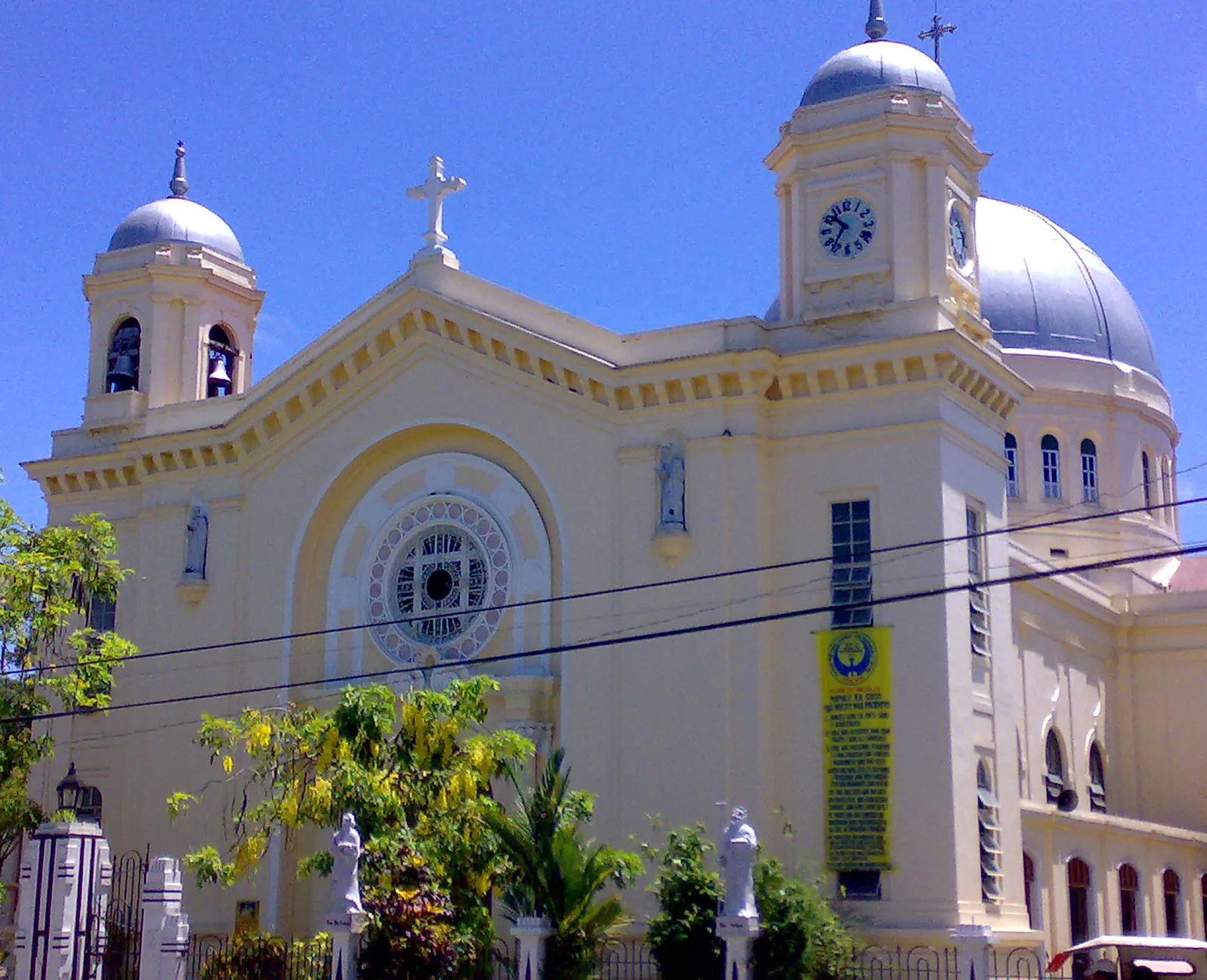
"Silay is a neighboring city to the north and is actually the first stop towards your Bacolod visit if you’re coming from Manila. Silay is just as good as Bacolod when it comes to historical markers, and you can go on a walking tour here! In fact, Silay is hailed as the country’s second “Museum City” after Vigan. Check out El Ideal Bakery, which is the oldest bakeshop in Silay (don’t miss the local delicacies!). Balay Negrense, or the Victor Gaston House, contains artifacts from Silay’s heyday as the primary economic city of the Negros Region. There’s also the Bernardino Jalandoni Museum and the San Diego Pro-Cathedral. Check out the Cinco de Noviembre Marker too, which commemorates how the Negrenses bluffed their way into freedom during the Philippine Revolution. For an interesting take on the country’s history, try a heritage excursion in Silay. It’s true that the Negros region is a very multifaceted area, and this is best embodied by Bacolod and its warm and charming vibe.
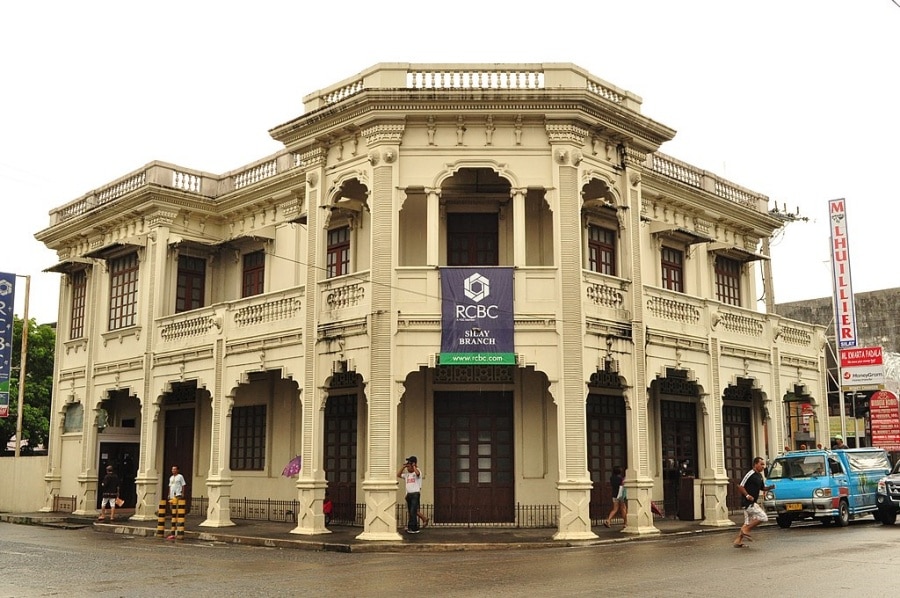
Silay City's name is believed to have originated from the legendary Princess Kansilay, who bravely defended her village against pirates, sacrificing her life in the process. A tree grew over her grave, known as the first Kansilay tree, symbolizing her bravery. The town's history involves Spanish colonization, with it being initially settled in 1565 as "Carobcob" and later moving to its present location. It became a leading sugar-producing area due to the Horno Economico sugar mill in the 19th century. During the Negros Revolution, Silay played a significant role in the uprising against Spanish rule, raising the Philippine flag in the town plaza. In World War II, it was the site of Imperial Japan's last stand in Negros, where they were defeated by U.S. and Philippine Commonwealth forces. some of which are designated as part of the Silay National Historical Landmark. The city's name is derived from the Kansilay tree, its official tree. A local legend recounts the story of Princess Kansilay, who defended her village from pirates and, in her memory, a Kansilay tree grew on her grave.
----------------------------------------------------------------------------------------------------------------------------------------------------
Manokan Country
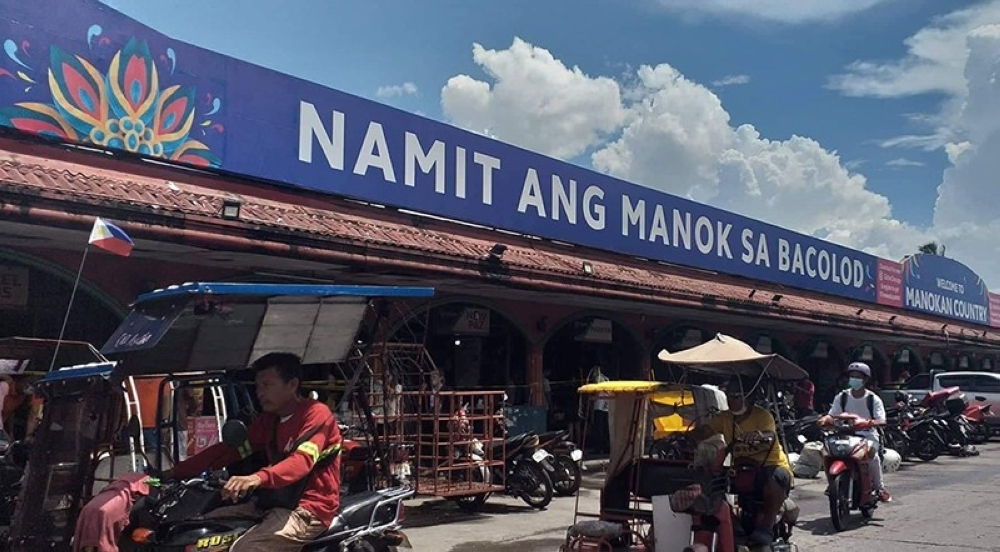
The local government established the complex in the 1980s to provide a space where the various chicken inasal vendors could sell their food. It is located along Father M. Ferrero St, just across SM City Bacolod. The majority of the stalls found in the complex were part of the first set and continue to keep their original recipes alive.
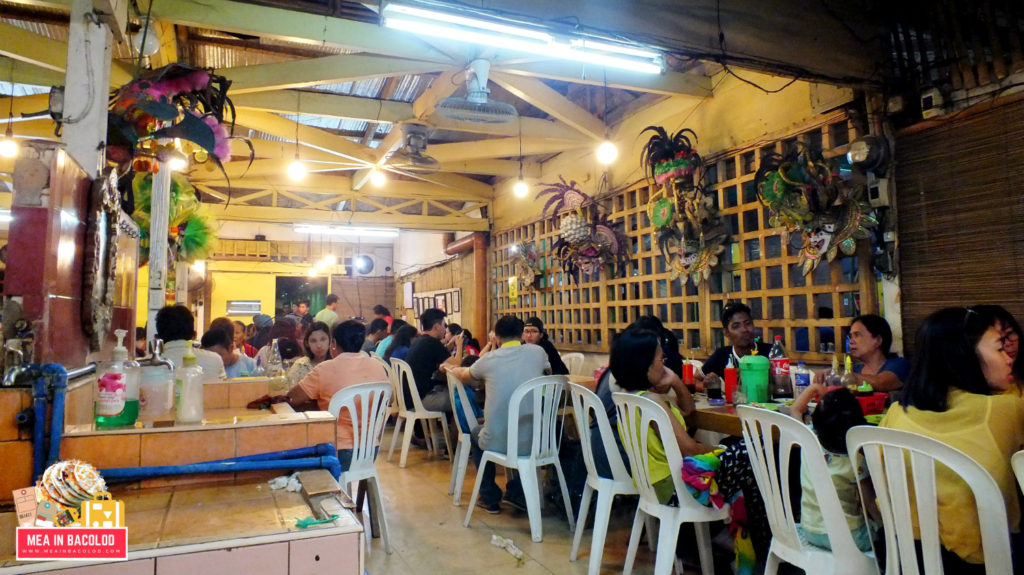

Chicken Inasal is prepared by using a number of ingredients (usually garlic, soy, vinegar, salt, and Sprite) for its marinade and basting sauce, compared to the usual barbeque which is drenched in mainly soy sauce-based ingredients and barbequed. It is then skewered and roasted over flames before being served on a banana leaf. The result is a yellowish chicken bursting with a smoky flavor. All of the places here serve pretty much the same stuff, but it’s still worth a visit because of their high-quality grilled chicken.
----------------------------------------------------------------------------------------------------------------------------------------------------
St. John Paul II Tower
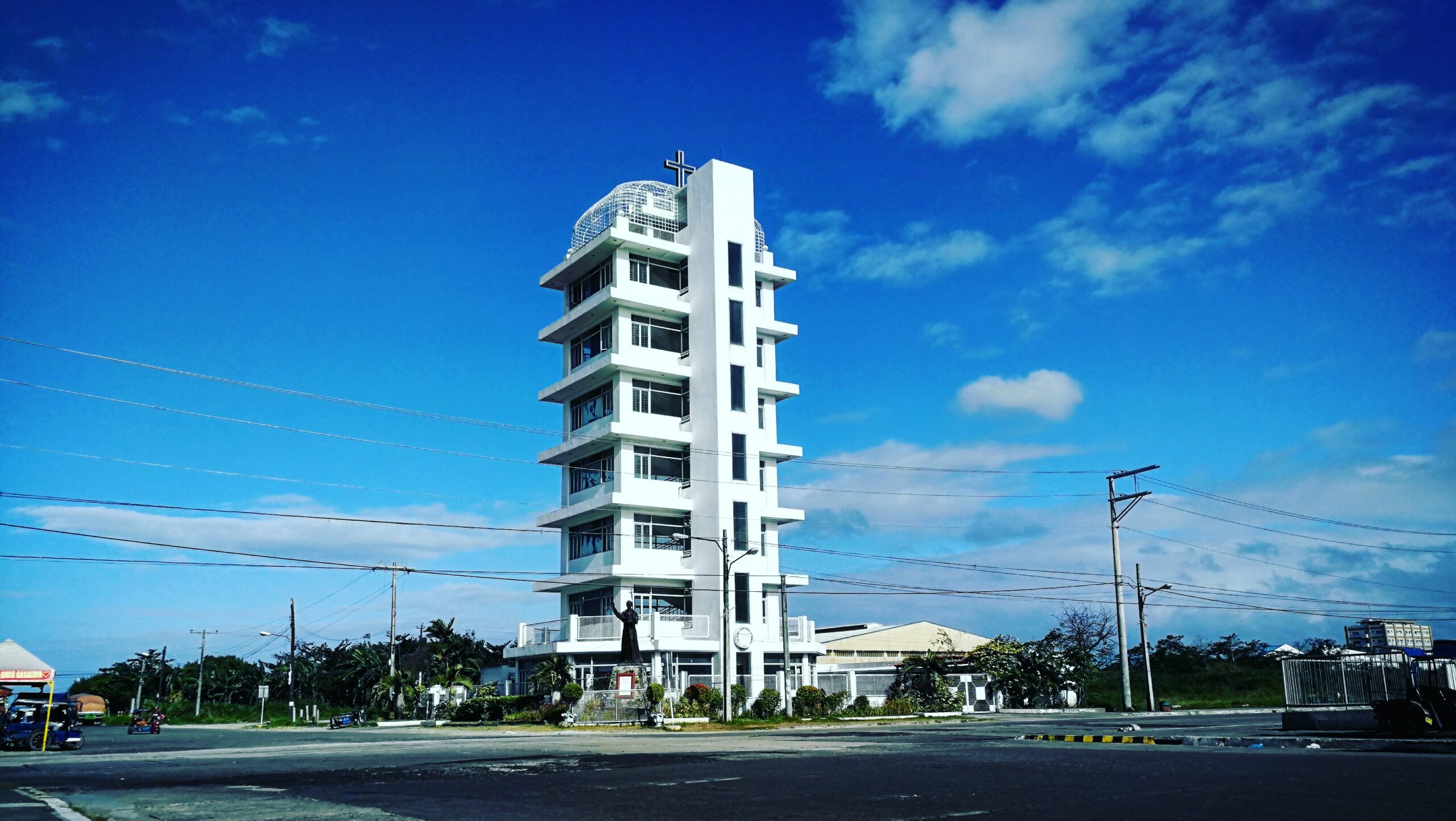
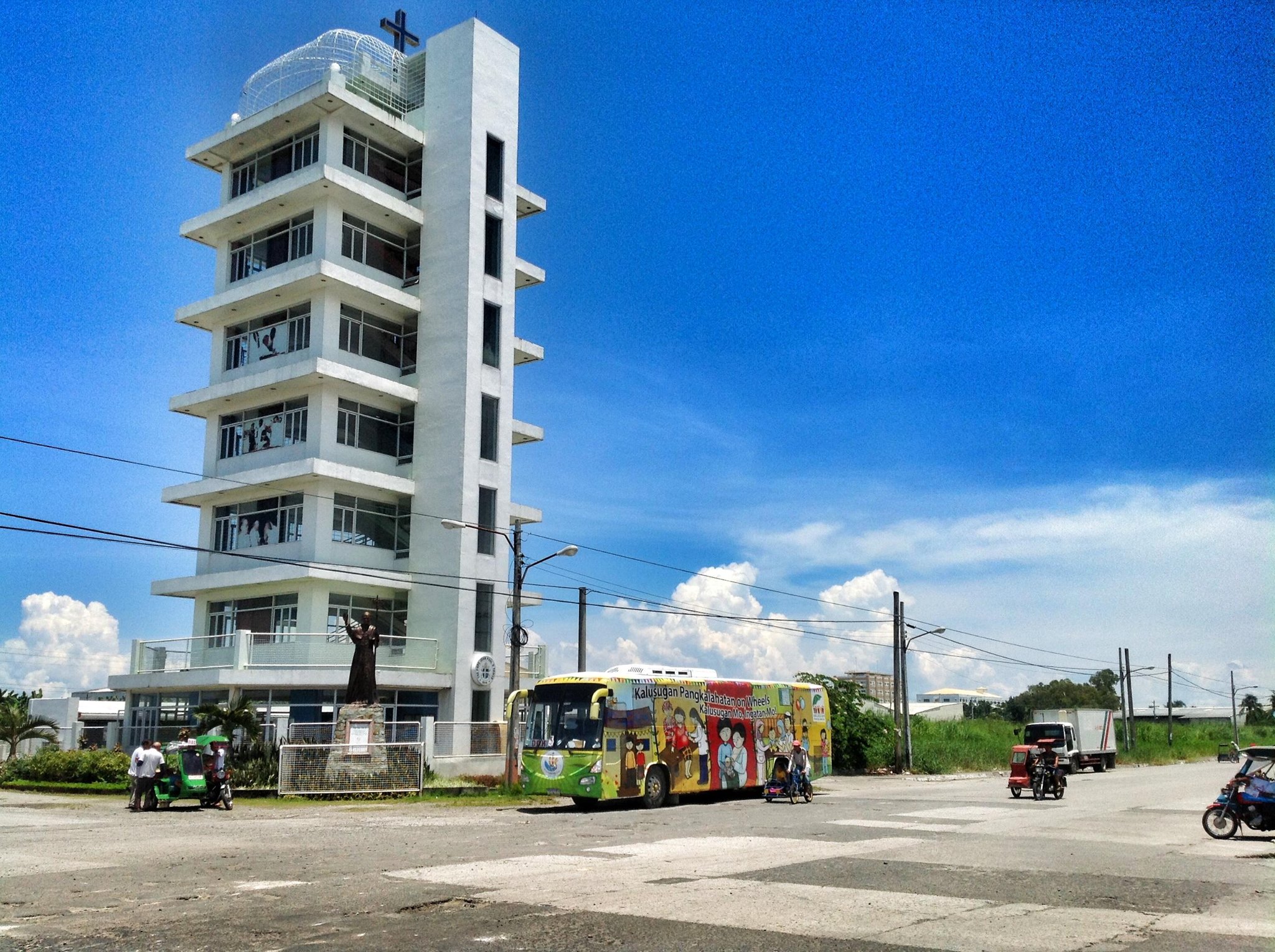
The Pope John Paul II Tower is a seven-story structure in Bacolod City. As its name suggests, it is dedicated to the former head of the Catholic Church, who visited Bacolod on February 20, 1981. The tower was constructed in the reclamation area of Bacolod, which is also known as the Bacolod Real Estate Development Corporation (BREDCO) area, where the late pope delivered a mass in front of an estimated crowd of one million people at the time. In light of the monumental event for devout Catholics, the president of BREDCO had the tower built in honor of Pope John Paul II after his visit. In addition to the tower, an eight-foot-tall bronze statue of the pope was also placed in the front yard on February 18, 2010.
.jpg)
Travelers can visit the Pope John Paul II Tower throughout the year as it is open daily. It is best to plan a visit here in the dry months, which usually start in December up until the early weeks of June, so that you can get an unobstructed view of the Bacolod City from the tower's viewing deck. The sunset view from here is also fantastic, so plan to get here before the sun sets, which usually ranges from 5 PM onwards, to see the sky turn beautiful shades of orange and red.
----------------------------------------------------------------------------------------------------------------------------------------------------
Activities
- Hiking
- Sightseeing
- Water Sports
- Local Cuisine
Accommodation
Choose from a range of accommodation options, from luxurious resorts to cozy guesthouses. Enjoy a comfortable stay during your visit.