HISTORY
OF MASSKARA FESTIVAL
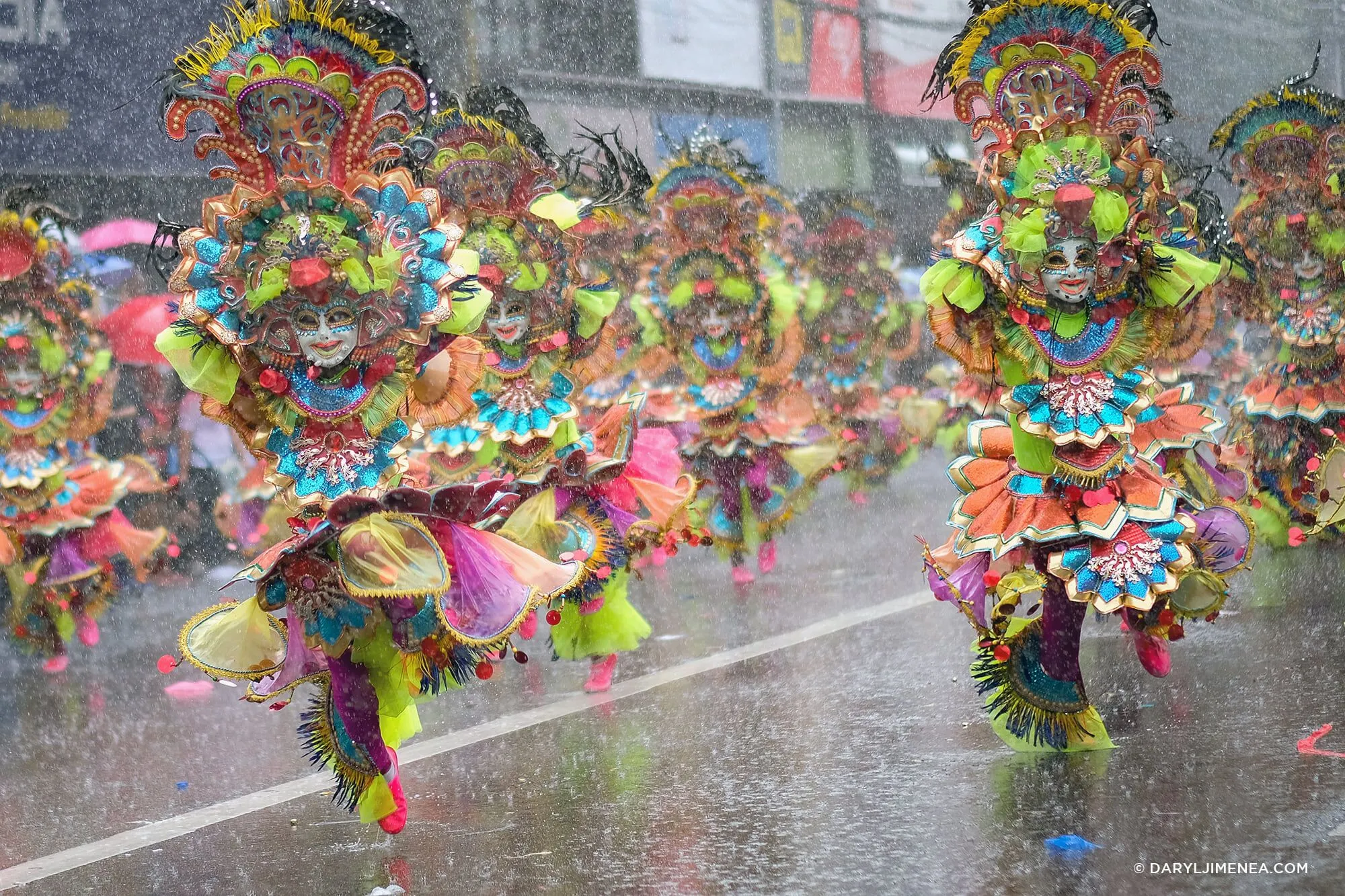
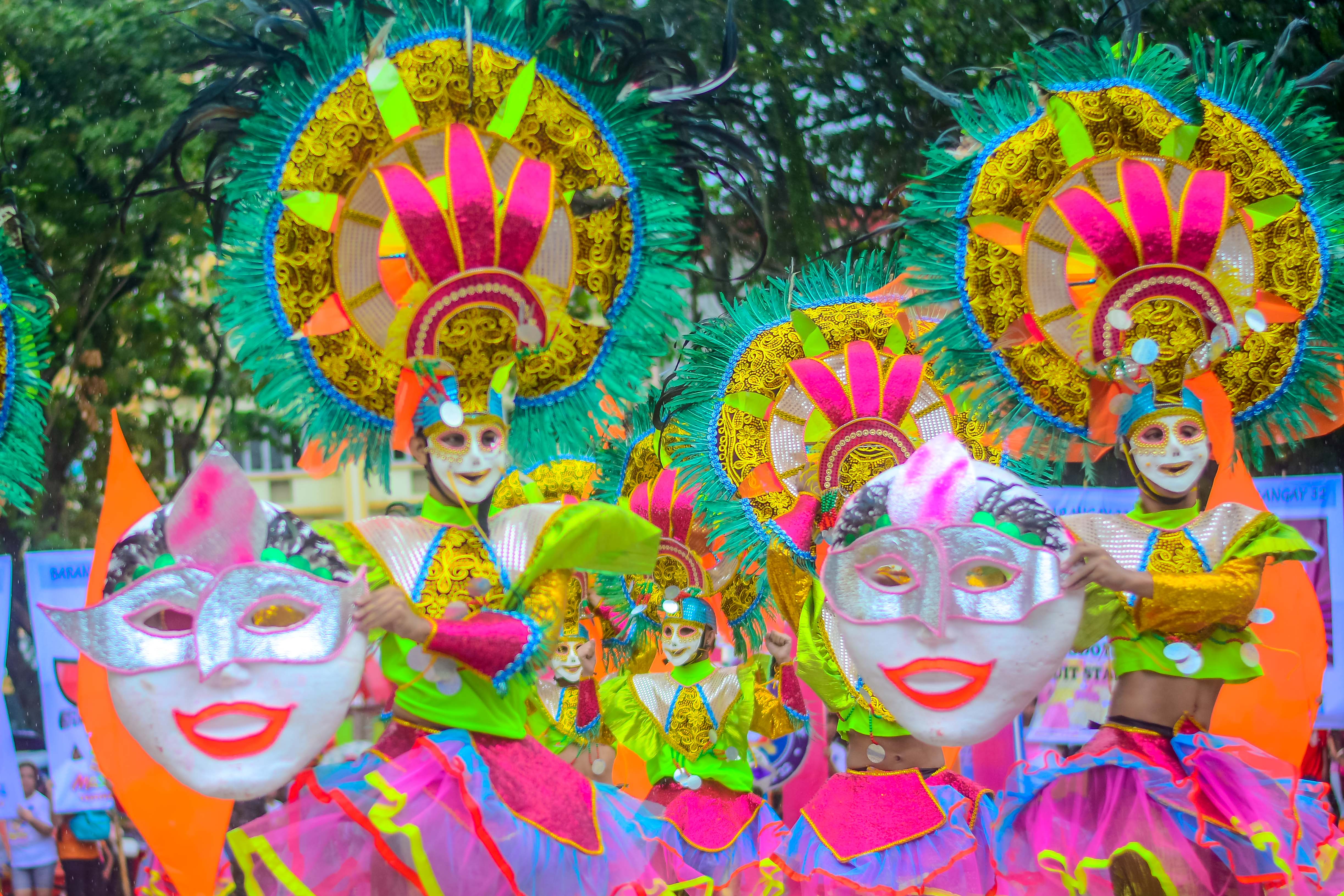
The Bacolod MassKara Festival is a yearly festival held in Bacolod City, Philippines, culminating on the 3rd Sunday of October. It is one of the most popular festivals in the Philippines, and is known for its colorful masks and festive atmosphere. The MassKara Festival can trace its roots back to the 1980s and was born out of a crisis. It was during the time when the province's main livelihood, sugar, was priced at an all-time low because of alternatives introduced in the market, which resulted in one of the worst famines in the country's history that affected an estimated one million people. It was also the time when a tragic ferry accident happened, which carried mostly people from the province including those from prominent families of Bacolod.
The festival was born out of a crisis. In 1980, the sugar industry, which was the main source of income for the province of Negros Occidental, was in decline. This led to widespread poverty and unemployment. The second one was the tragic accident of the MV Don Juan travelling from Manila to Bacolod. This caused the death of 176 passengers and crew.
In an effort to lift the spirits of the people, the administration of former Mayor Jose “Digoy” Montalvo along with the help of the Art Association of Bacolod (AAB) came up with the idea of creating a festival that would celebrate the city’s resilience and its people’s famous smiles. They designed a mask with three smiling faces, and called it the “MassKara”. It literally means many faces. It was coined by Ely Santiago, a painter, cartoonist, and cultural artist.
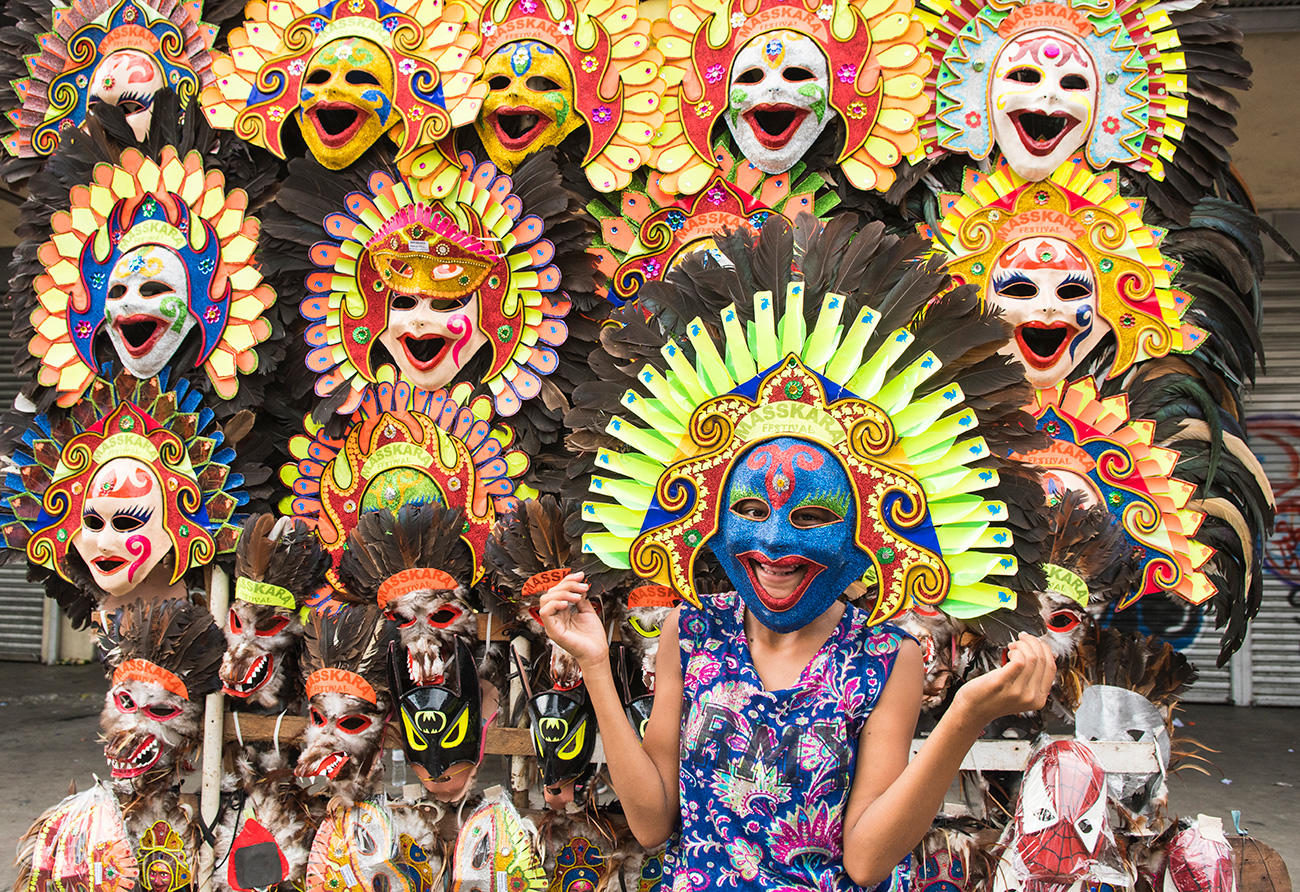
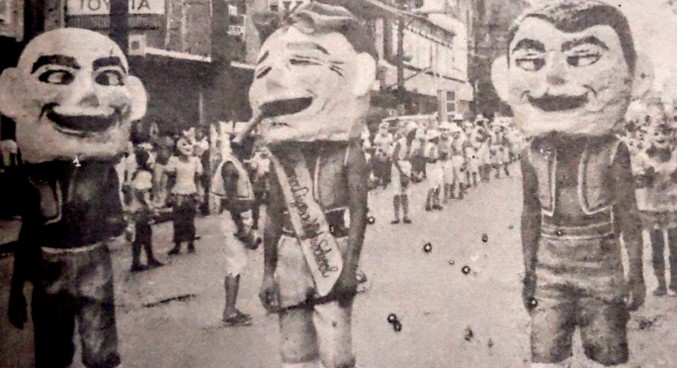
The Bacolod MassKara Festival is a yearly festival held in Bacolod City, Philippines, culminating on the 3rd Sunday of October. It is one of the most popular festivals in the Philippines, and is known for its colorful masks and festive atmosphere. The MassKara Festival can trace its roots back to the 1980s and was born out of a crisis. It was during the time when the province's main livelihood, sugar, was priced at an all-time low because of alternatives introduced in the market, which resulted in one of the worst famines in the country's history that affected an estimated one million people. It was also the time when a tragic ferry accident happened, which carried mostly people from the province including those from prominent families of Bacolod. The first Masskara Festival was held in 1980 and was an immediate success, with locals and visitors coming together to celebrate with music, dance, and street parties. The festival has since grown into a month-long celebration that begins in October and culminates in a grand street dance competition held on the fourth Sunday of the month. The festival has become a symbol of Bacolod’s culture and identity, attracting thousands of visitors from all over the world each year.
Tinatawag na "City of Smiles" ang Bacolod City kung saan idinadaos ang makulay na Masskara Festival. Bakit nga ba ganoon na lang ang pagpapahalaga ng mga taga-Bacolod sa naturang kapistahan? Alamin ang kasagutan sa video na ito ng programang "I Juander."